The Problem
of drugs that pass animal studies
fail in human trials.
Behavioral endpoints inform billion-dollar decisions — and most are still scored by eye, or with software a human has to supervise. Observer variability corrupts the data, and the subtle signal that separates a working drug from a failed one never enters the dataset. The way forward isn't to abandon animal models. It's to measure them like billion-dollar decisions depend on it.
The full animal-use picture — and the regulatory shift behind it →
Powered by AI
Machine vision meets
neuropharmacology.
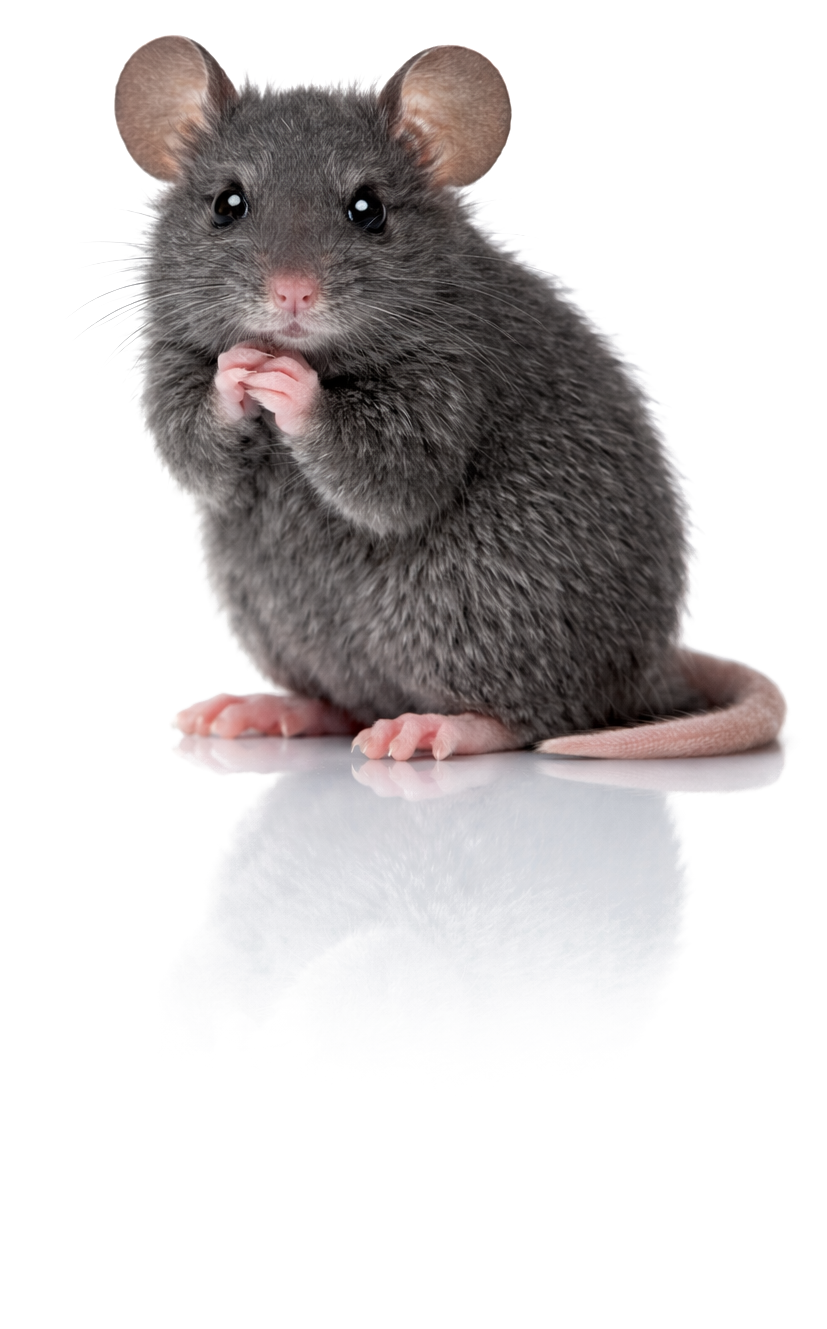
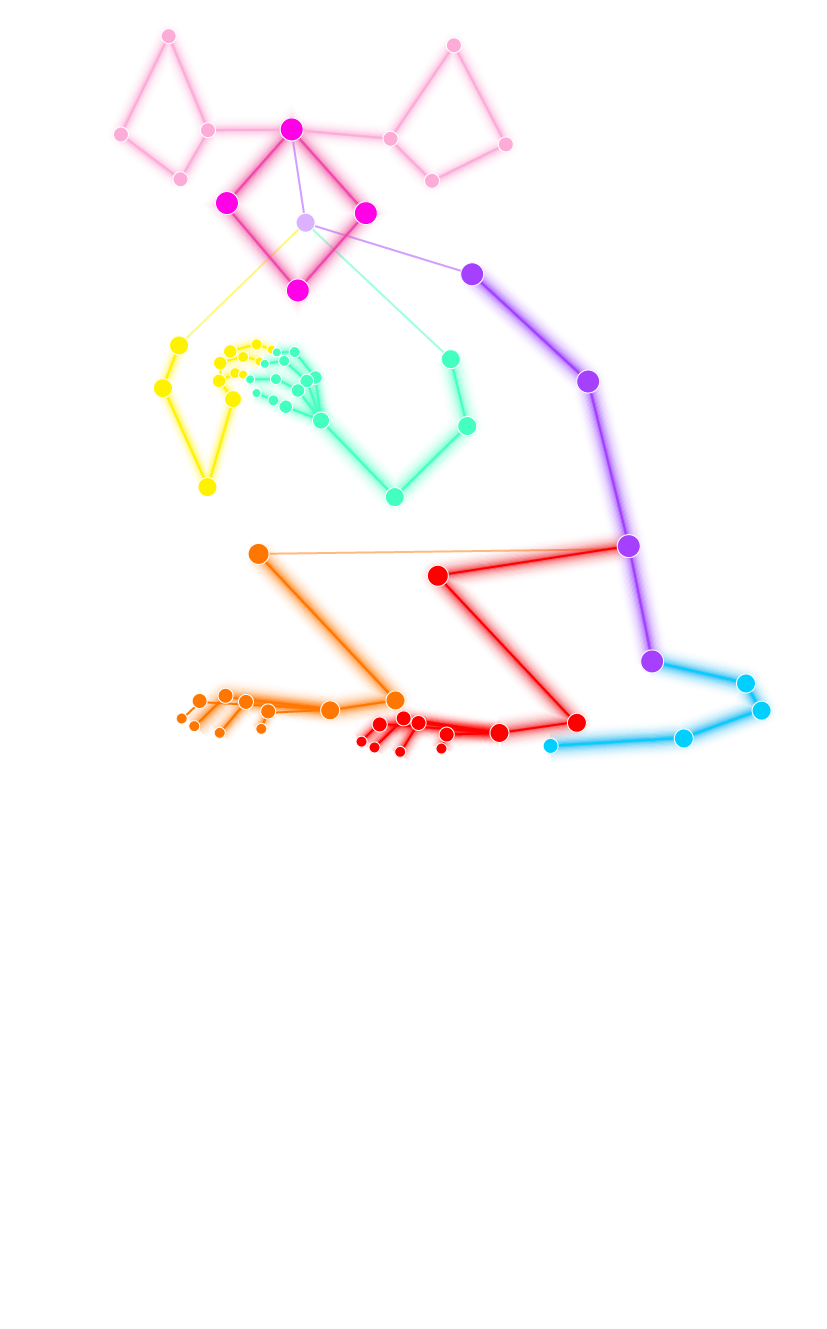
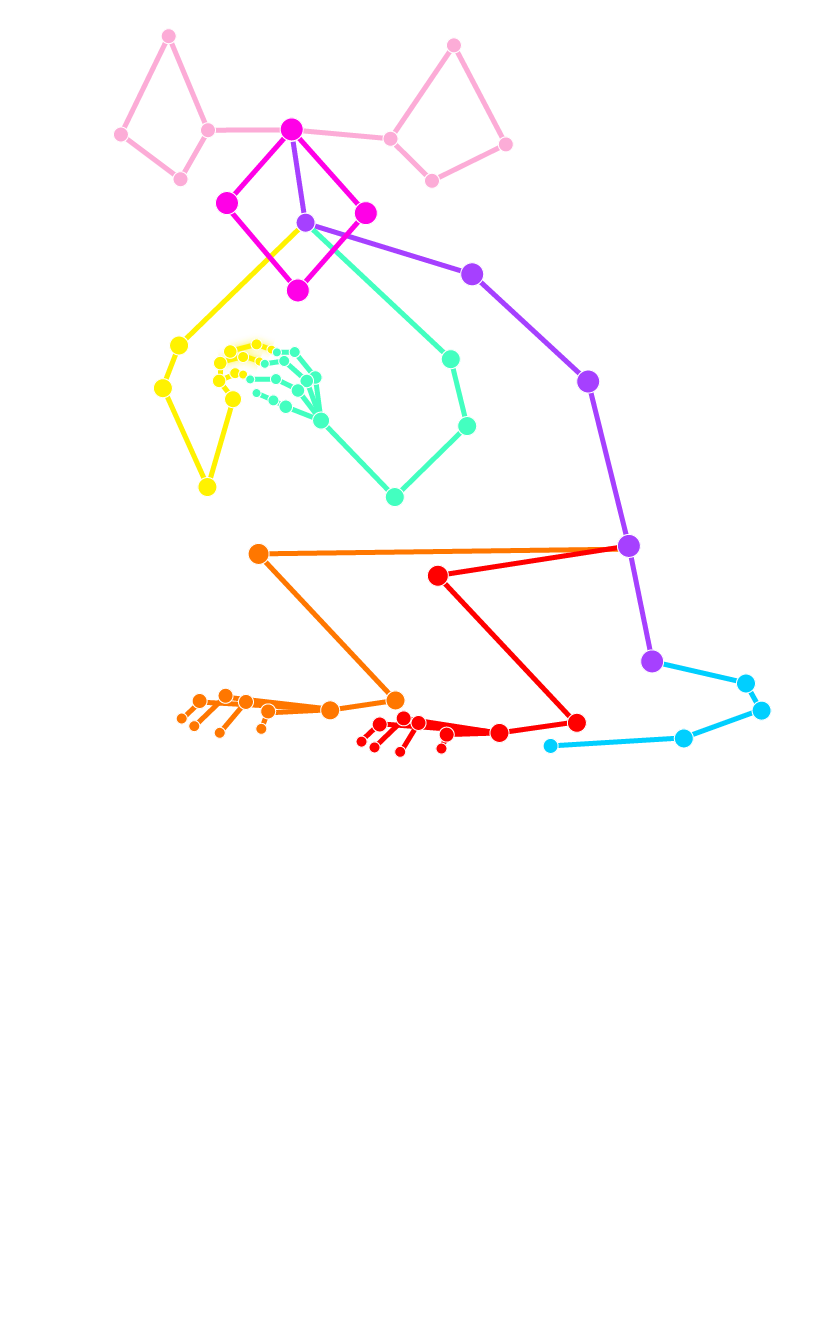
Our platform uses multi-camera tracking, pose estimation, and deep behavioral classification to extract hundreds of phenotypic parameters — many invisible to the human eye.
We benchmark our models against published pharmacology as we build them — designed to capture dose-response relationships, temporal dynamics, and subtle side-effect profiles, and validated assay by assay before they ship.
Explore the technology →MouseOS is free for academic labs
metadata measurements
for stride-level kinematics
invisible to rodents
measured every second
Our Solution
A new measurement paradigm
for behavioral science.
Virtual Labs is rebuilding the measurement layer of preclinical science: AI-native instruments and a standardized data platform that capture behavior as high-fidelity data — objective, reproducible, and poolable across labs — instead of a human judgment call.
These data are the substrate for high-fidelity AI foundation models of animal behavior — models we're training to produce generative virtual lab mice that will respond to compounds with the same behavioral phenotypes as their biological counterparts, and eventually predict the behavioral signatures of compounds never before given to animals.
Learn how it works →Our Products
Two products.
One platform.
A camera that captures any assay you already run. A system that records behavior at a resolution no human ever scored. A platform that analyzes video from any lab on Earth — including yours. Two instruments, one dataset — by design.
PolarEye
Patent-pending cross-polarized NIR imaging with on-device pose estimation. Captures any assay you already run — zero protocol change.
Learn more →MouseOS
Free behavioral analysis for video from any camera — one unified data schema across our instruments and yours. Pay only minimal compute and storage costs.
Learn more →The Flagship Idea
What if the control group
could be computed?
Every behavioral study runs a control group — animals whose job is to behave normally. For the most replicated assays in neuroscience, that baseline can be synthesized from standardized behavioral data at scale. Better statistics. Faster studies. Fewer animals.
And the Part We're Proudest Of
Fewer mice.
Better science.
Better measurement means dramatically fewer animals — and the agencies that govern preclinical research are moving the same direction. Science where rigor and welfare are not in conflict: that's the dividend of getting the data right.