Our Team
Founder-led.
Building the founding team.
Virtual Labs is founder-led today: one scientist-entrepreneur with a conviction that the way we test drugs must change — and open seats for the neuroscientists, computer vision engineers, and drug discovery veterans who will build it with him.
“Every part of my career has been preparing me for this work.”
Background
David trained in neuroscience at Harvard Medical School in the lab of Clifford Woolf. His dissertation, Analysis of Voluntary Behavior to Interrogate Neural Function, treated behavior as the readout of the nervous system. As first author in Nature Neuroscience (2013), he showed that pain and itch are signaled by distinct nerve fibers. In 2014 he was named a Harvard Horizons Scholar, one of eight chosen from more than 4,000 Harvard PhD students.
He went on to a postdoctoral fellowship in drug development at Harvard Medical School & Boston Children’s Hospital, served as Instructor of Neurology at HMS (2019–2021), and taught neurobiology of behavior and drug addiction courses at Harvard. In 2013 he worked as an analyst at MIT CSAIL on a DARPA-funded AI project. He also holds an MBA and spent two years in investment banking before moving into science.
Alongside the science, he co-founded CNS companies: Blue Therapeutics (co-founder and COO, 2014); and Nocion Therapeutics (scientific co-founder and co-inventor, 2017), whose assets are now in Phase 2b clinical trials. He is a co-inventor on patents across Blue Therapeutics, Nocion, and Blackbox.
His first-author paper in PAIN (2022) laid the groundwork for his discoveries transforming the behavioral neuroscience field. He designs optics, mechanical CAD, and circuit boards himself, and the Virtual Labs technologies he invented are patent-pending. In 2025 he received the Tech Titans Technology Inventor award.
- 18peer-reviewed publications
- 4companies co-founded or founded
- 2014Harvard Horizons Scholar
Career & Inventions
Two decades building tools to measure animal behavior.
-
2009
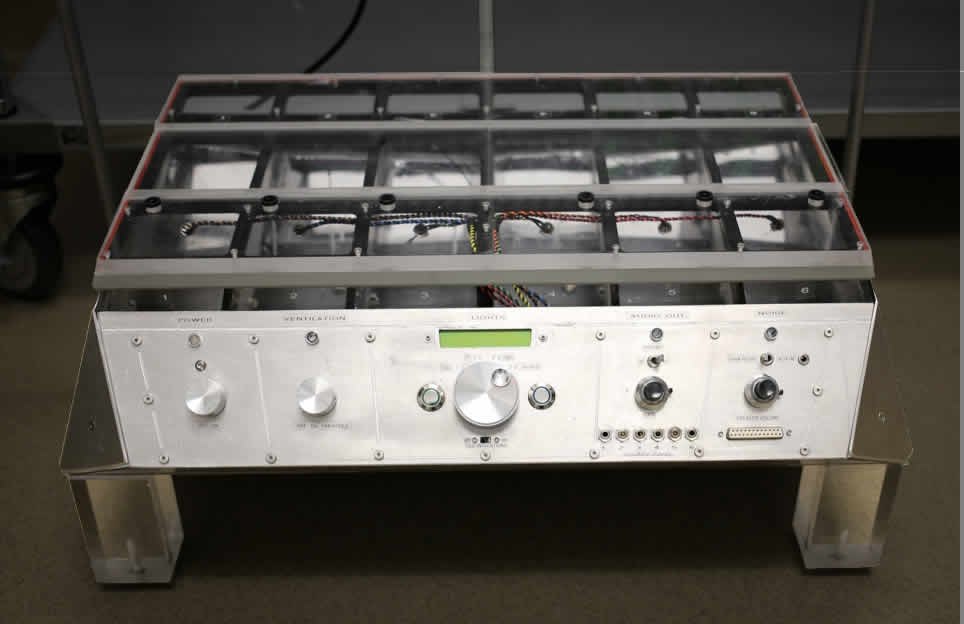
The “itch detector”
David invented and built a six-chamber mouse observation enclosure that one video camera could view at once, with near-infrared lighting, mouse-sensing LED timers and filtered air for each chamber. Microphones in every chamber picked up the 10–14 kHz sound of scratching, so itch could be scored automatically. Its data went into his 2013 Nature Neuroscience paper showing that itch and pain are signaled by largely distinct nerve fibers.
Read the paper (Nature Neuroscience, 2013) HMS News: “Selectively Silencing Itch”
-
2011
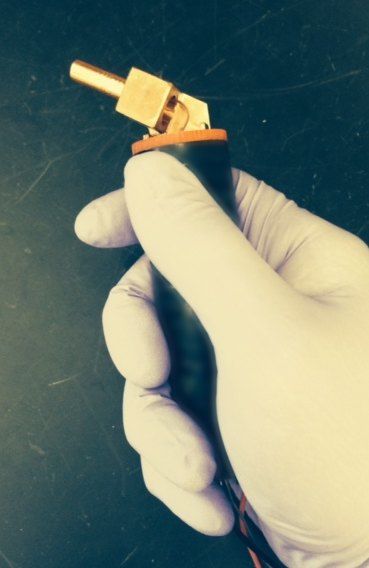
Focal thermal stimulator
To test whether targeted local anesthetics silenced specific sensory nerves, David invented and built a handheld device that applies a precise hot or cold stimulus to a small patch of rodent skin. A Peltier element in an acrylic handle holds any temperature from −10° to 50°C or runs a programmed ramp, and a built-in timer records skin contact.
-
2012
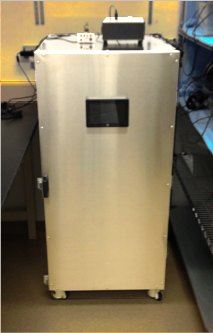
Home-cage isolation enclosure
With Clifford Woolf, David designed and hand-built an enclosure that shields a home cage from laboratory light, sound and odor, with programmable temperature, humidity and lighting. A 3D depth camera in the ceiling recorded voluntary behavior with no observer in the room.
-
2012
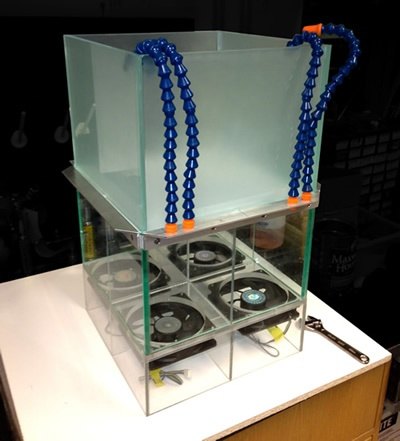
Open-field odor delivery chamber
Built with Alex Wiltschko: an open-topped chamber on a Teflon mesh floor over four low-velocity exhaust fans, so odors could be delivered and cleared on cue. The open top let a 3D range camera record olfactory-driven behavior from above, inside the isolation enclosure.
-
2013
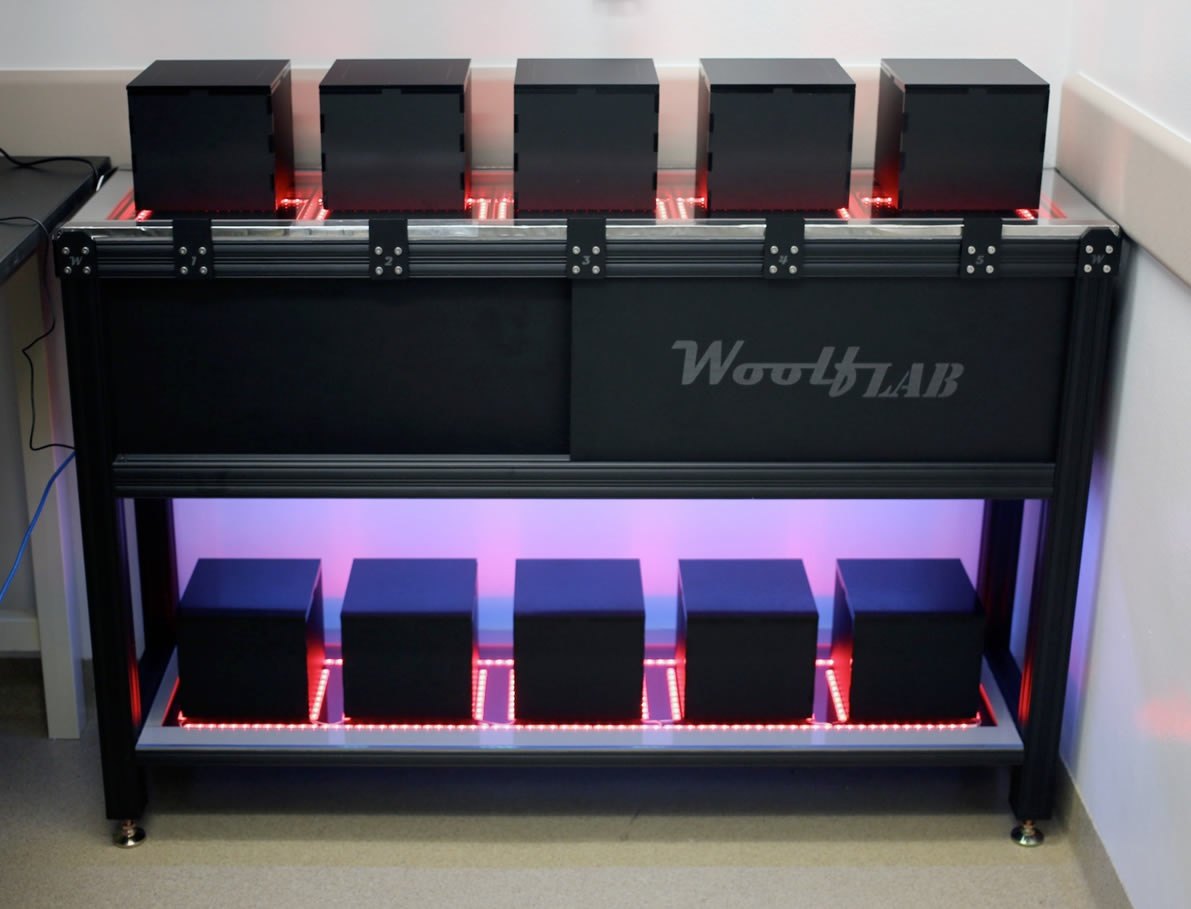
Ten-chamber behavior device
A device for analyzing spontaneous rodent behavior from below, with no observer present. Developed with Alex Wiltschko, S. Robert Datta and Clifford Woolf, it is covered by U.S. Patent 10,238,085, “Devices and methods for analyzing rodent behavior” (filed 2013, issued 2019).
-
2014
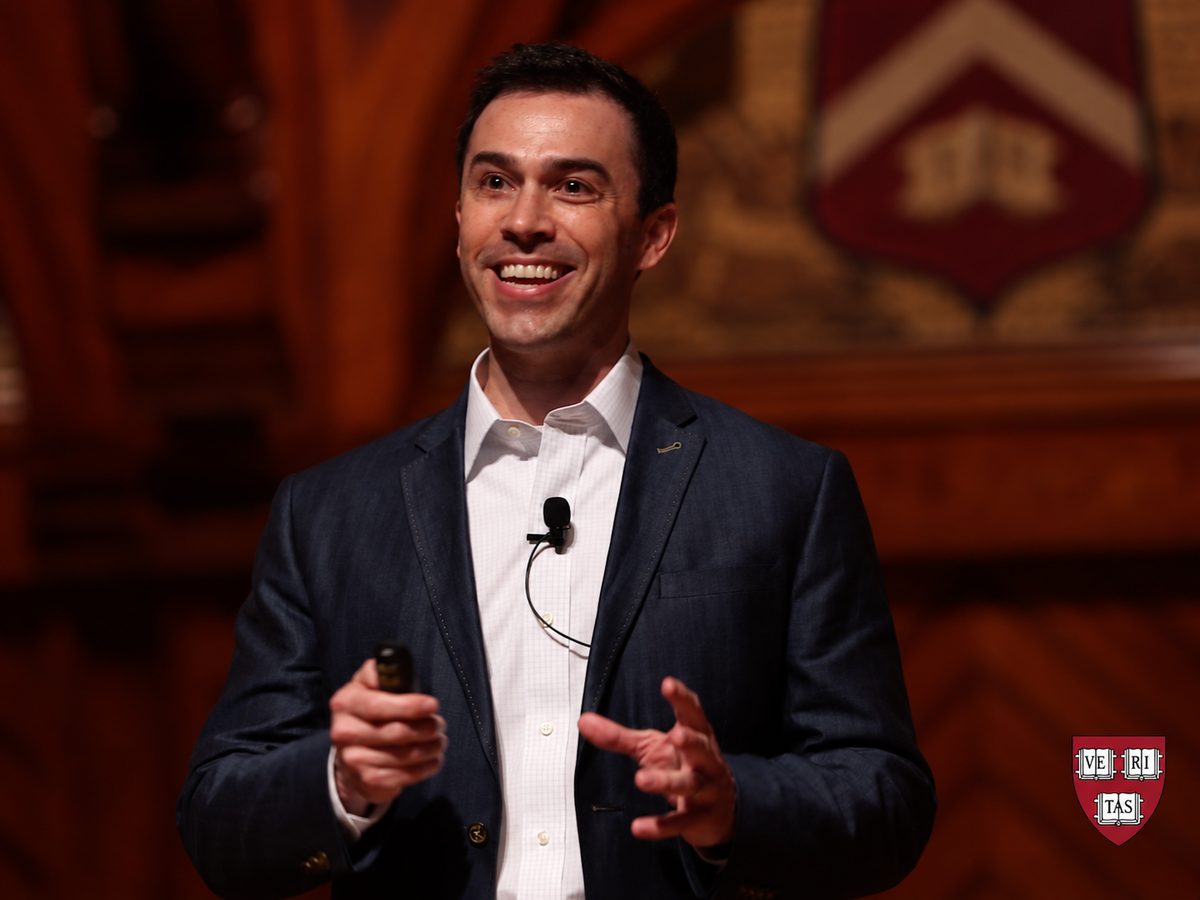
Harvard Horizons Scholar
2014 Harvard Horizons Scholar: one of eight Harvard PhD students selected to present their research at the Harvard Horizons Symposium.
-
2014
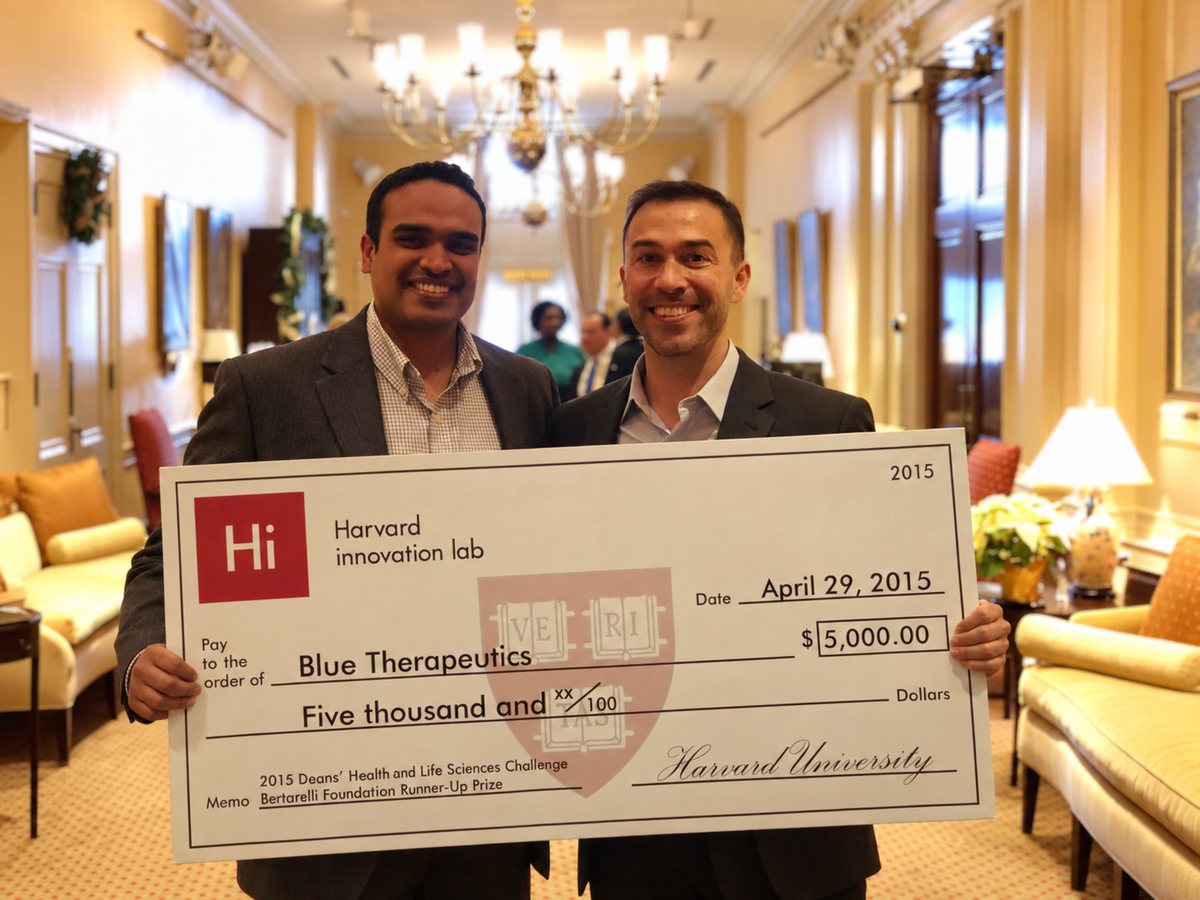
With co-founder Ajay Yekkirala, accepting the Bertarelli Foundation Runner-Up Prize, 2015 Harvard Deans’ Health and Life Sciences Challenge. Blue Therapeutics
David co-founded Blue Therapeutics in 2014 with Ajay Yekkirala, Michio Painter and Phil Portoghese, at the Harvard Business School Launch Lab, and served as COO. The company developed Blue181, a non-addictive small-molecule painkiller that selectively targets the mu–kappa opioid receptor heterodimer, aiming for opioid-level pain relief with less tolerance and dependence. It was advanced toward IND with non-dilutive NIH/NIDA SBIR and Department of Defense (CDMRP) awards.
Runner-up, 2015 Harvard Deans’ Health and Life Sciences Challenge (Bertarelli Foundation Runner-Up Prize).
In 2015, Blue was a finalist in the MassChallenge and OneStart accelerators and was selected for MassBio’s MassCONNECT mentoring program.
-
2016
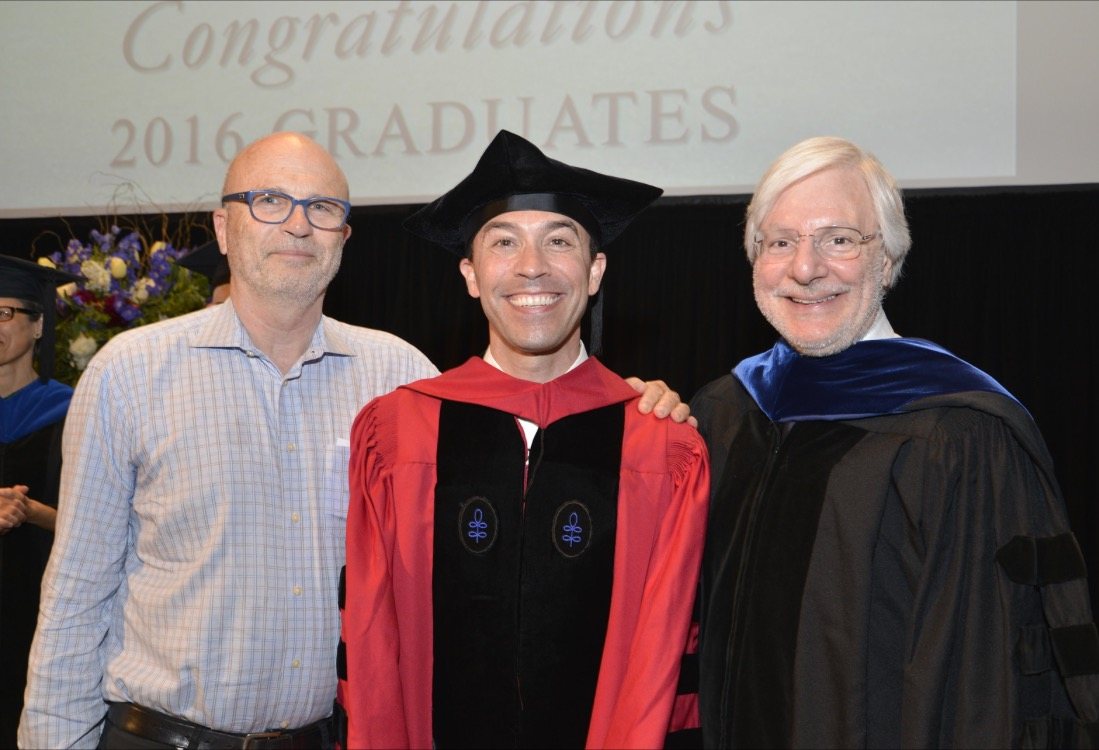
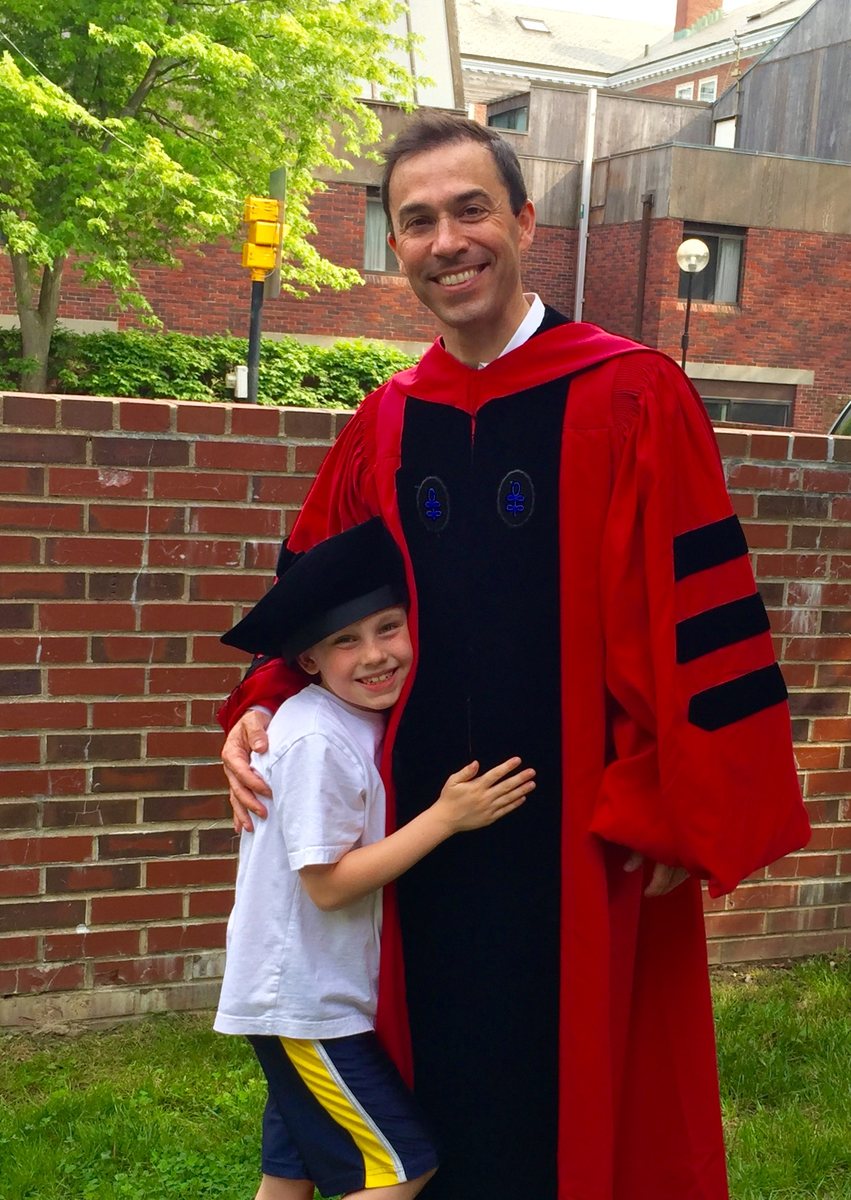
Harvard commencement, 2016 PhD in neuroscience, 2016
David received his PhD in Neuroscience from Harvard in 2016. His dissertation, Analysis of Voluntary Behavior to Interrogate Neural Function, drew on the devices he built in the Woolf lab.
-
2019
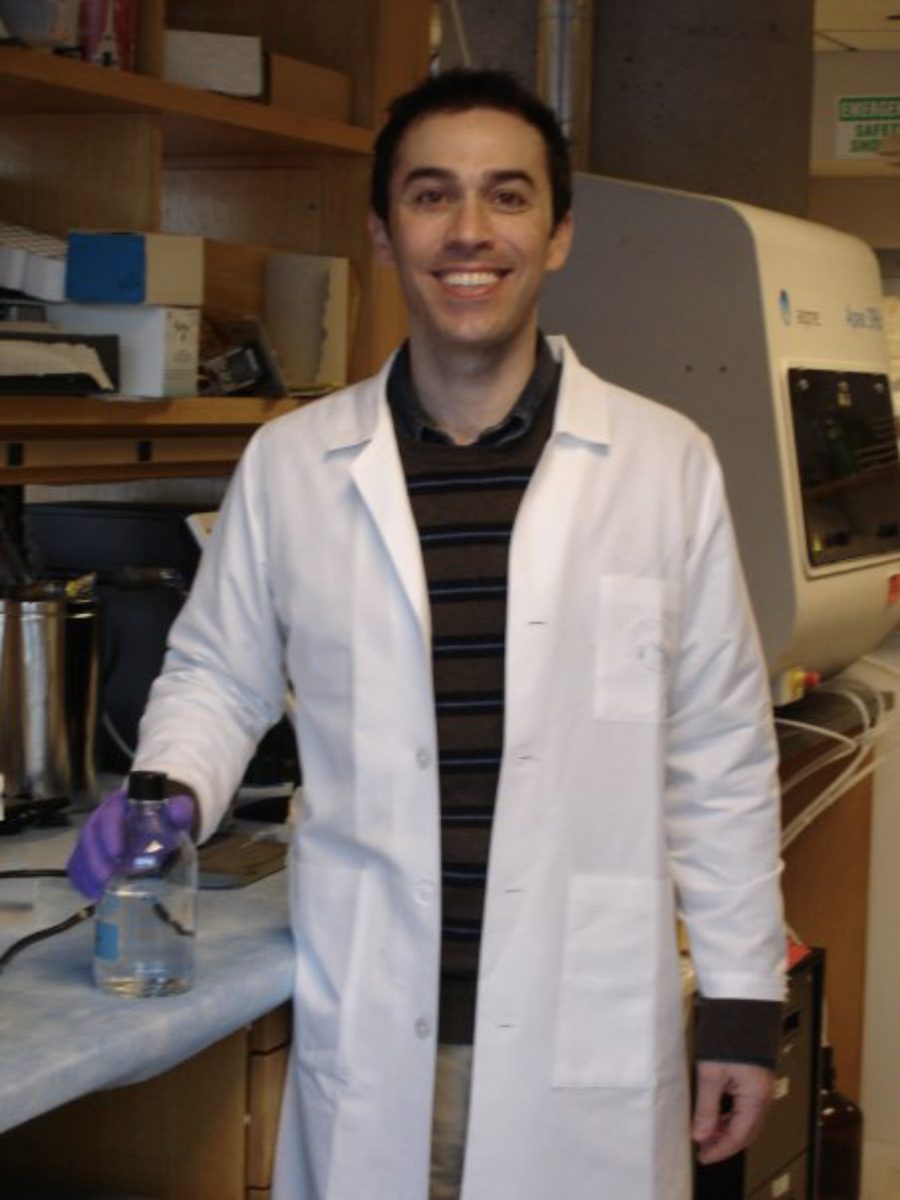
Instructor of Neurology, Harvard Medical School
David joined the Harvard Medical School faculty as Instructor of Neurology (2019–2021) and taught neurobiology of behavior and drug addiction courses at Harvard.
-
2022
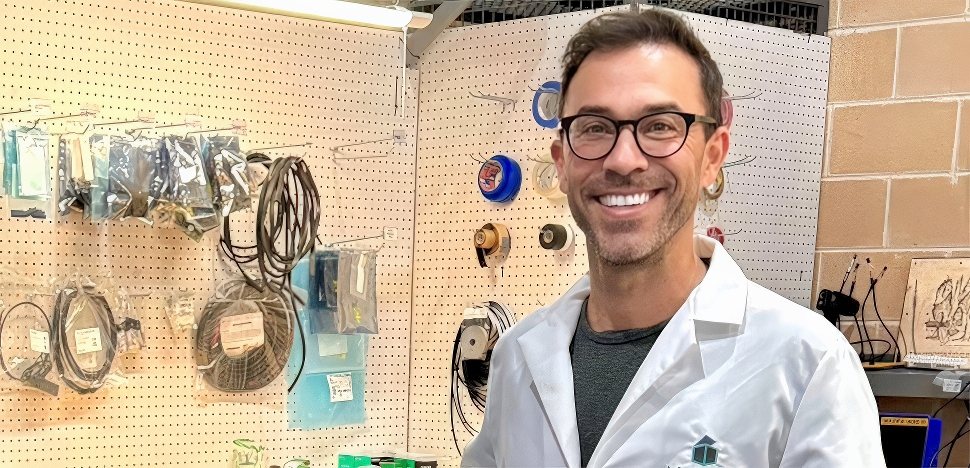
Co-founder & CEO, Blackbox Bio (2022–2026)
-
2025
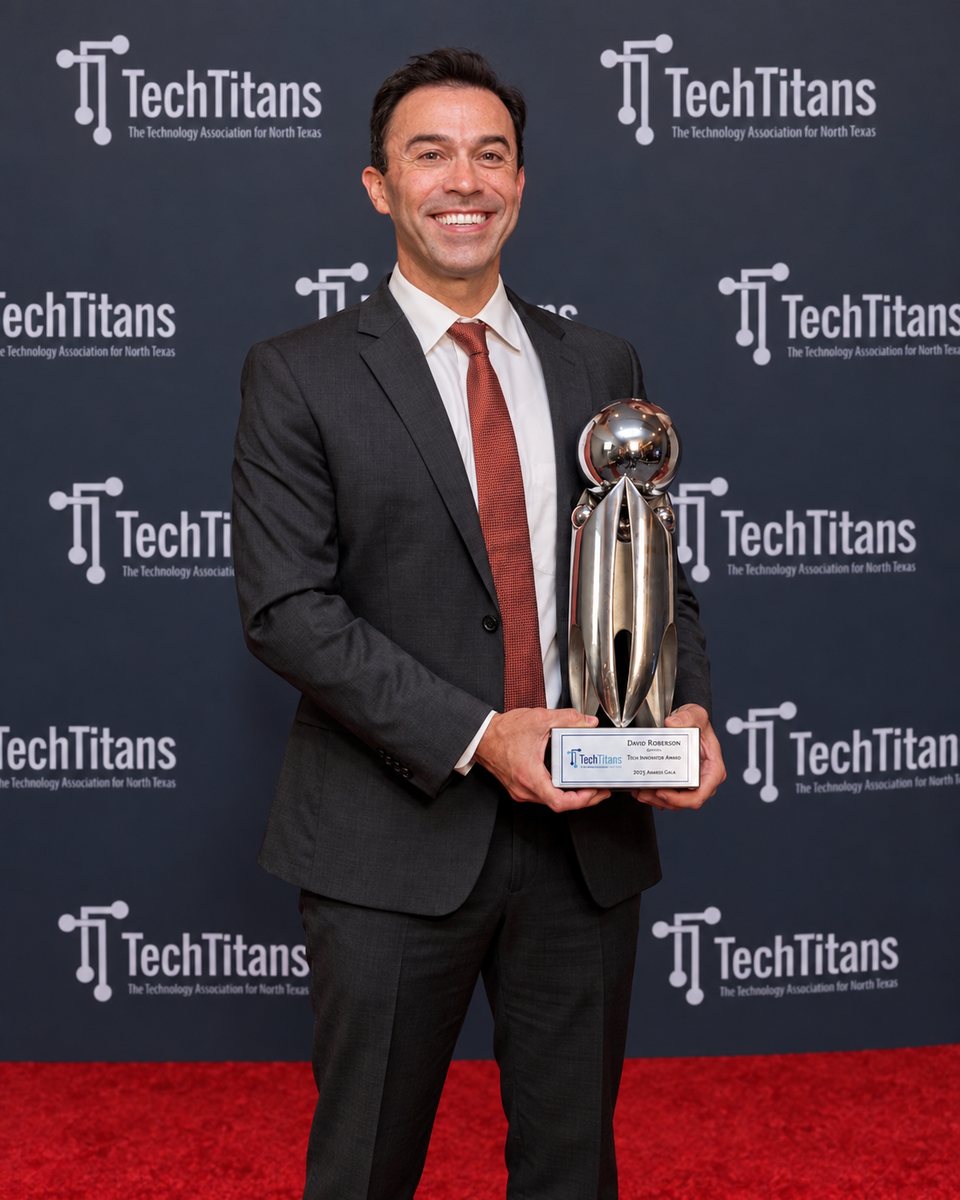
Tech Titans Technology Inventor Award
2025 Tech Titans Technology Inventor Award. Tech Titans, the technology association for North Texas, gives this award for the creation of breakthrough ideas, processes or products. For David, it recognizes a career spent inventing tools to measure animal behavior.


Today, Virtual Labs is David and a small team of veteran software engineers, AI data scientists, neuroscientists, and business leaders working with us on a fractional basis as we build momentum and funding.
Open Roles
What the role does
Leads the science behind Virtual Labs: assay design, validation studies, and the scientific rigor behind every measurement we report.
Who we’re looking for
A neuroscientist with deep expertise in CNS behavioral pharmacology and a track record in preclinical drug development. You’ve run the assays we automate, and you know exactly what’s wrong with how they’re scored today.
What the role does
Leads our machine vision work: pose estimation and behavior classification models for laboratory animals.
Who we’re looking for
A computer vision engineer with experience in pose estimation and real-time behavioral inference.
What the role does
Leads our software: the cloud services, the API layer, data pipelines, and the standardized data schema.
Who we’re looking for
An engineer to lead the development of our cloud software, API layer, and data pipeline architecture.
Exceptional people don’t wait for job postings
Most of our roles will be shaped around exceptional people who are passionate about the mission. People drive growth, not pre-defined positions.
Help us disrupt animal science
If you want to change how animal science is done, we’re excited to partner with you and hire you. Tell us what you’re great at and why this mission pulls you.
Scientific Advisory Board
Guided by the best
in the field.
Our scientific advisory board brings together leading researchers in behavioral neuroscience, CNS drug development, and computational biology. Advisory positions are currently being established.
Join the Team
Introduce yourself.
We are looking for people who care deeply about both the science and the mission. Tell us what you’re great at and why this mission pulls you.