Press Inquiries
The story of how drug discovery
learns to see.
Harvard-trained neuroscientist and inventor David Roberson, PhD, MBA, settled a century-old debate about pain and itch. Now, as founder and CEO of Virtual Labs, he’s building the AI to make animal research far more predictive of what happens in people—with better data that reduces the number of animals needed. He is available for interviews, podcasts, keynotes and panels.
The Story
Why this matters now.
Nine in ten drugs that pass animal studies fail in human trials, and the behavioral data behind them is still scored by hand. Machine vision is changing that, frame by frame, at 8,075 data points every second.
Regulators are moving toward animal reduction. Hand-scored data is noisy, so studies add animals just to see a real effect. Better data reduces the number of animals needed.
From a homemade “time machine” that heard itch to a patented behavior device and AI-native cameras, David builds the instruments behind his own discoveries.
Fast Facts
A track record
of breakthroughs.
Nature Neuroscience
from 4,000+ PhD students
assets he co-invented
companies he co-founded
Inventor Award
Topics
What David speaks about.
Upcoming
See it live.
Meet David and see the PolarEye™ smart camera capture behavior live at the Walter E. Washington Convention Center.
Conference details →New talks will be listed here as they are scheduled.
Watch & Listen
Past talks and interviews.
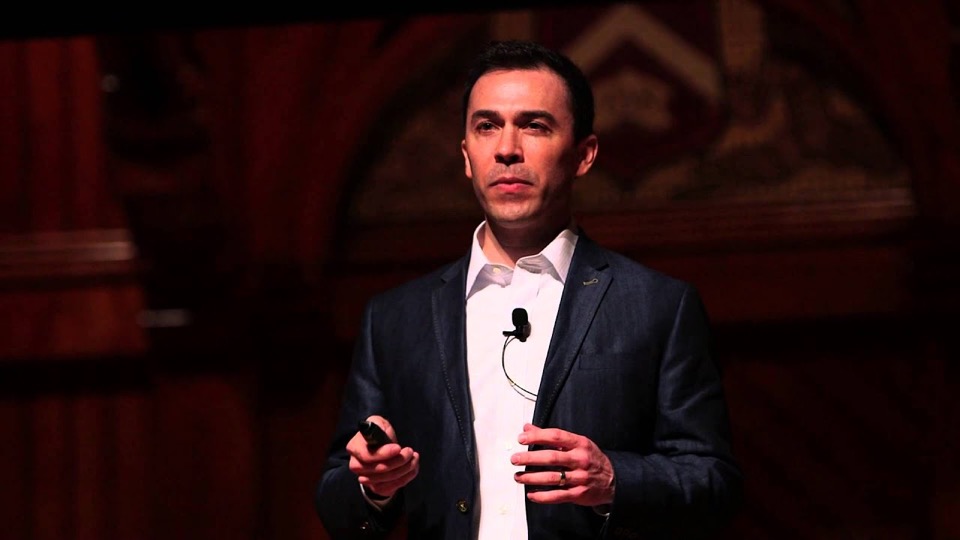
A Magic Bullet for Pain and Itch
Chosen as one of eight from more than 4,000 Harvard PhD students, David presents the discovery that pain and itch run on separate nerve fibers.
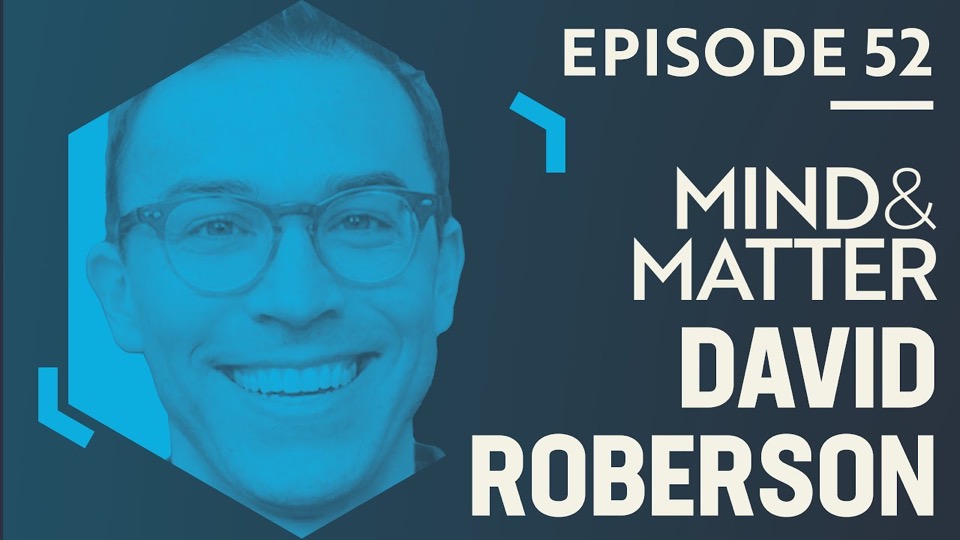
The Neuroscience of Pain
A long-form conversation with Nick Jikomes on pain, the search for better pain drugs and measuring behavior with machine vision.
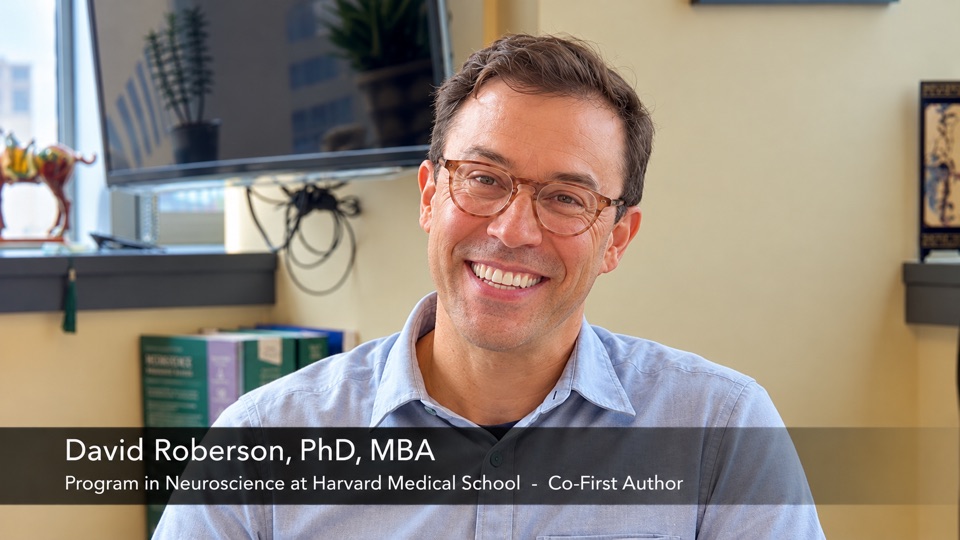
Automated Preclinical Detection of Pain and Analgesia
Drs. Woolf, Roberson and Zhang show how the behavior-analysis technology David invented for his Harvard Medical School PhD reads pain in freely moving rodents, and tells true pain relief apart from side effects like sedation.
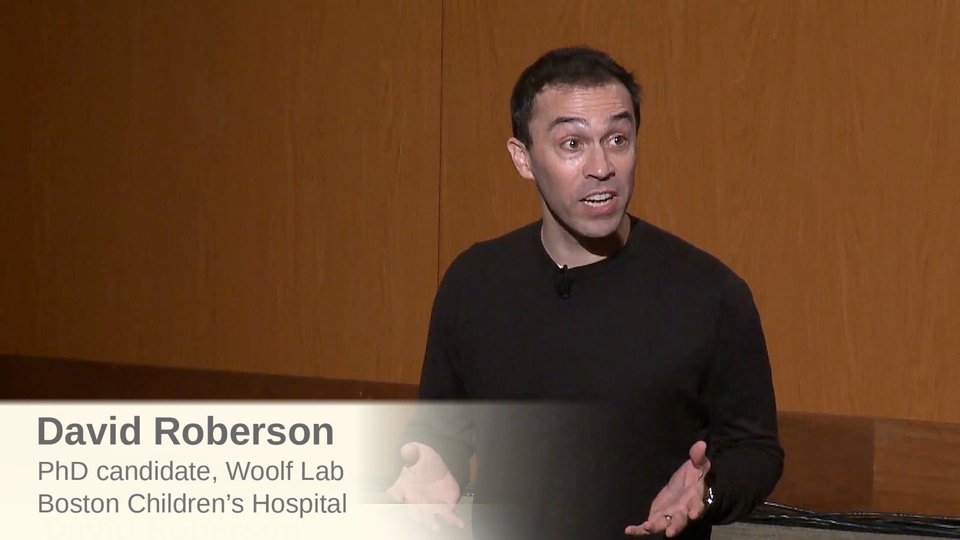
Rethinking How We Measure Pain in Mice
One of five presenters picked for Boston Children’s Ignite Talks Competition. In five minutes and 20 slides, David makes the case for letting mice behave naturally, then measuring them with infrared imaging and machine learning, so results in animals are more likely to carry over to patients.
Contact
Tell the story with us.
Email us with your outlet, topic and deadline, and we’ll get back to you quickly. Photos and a founder bio are available on request.